Introduction to chana masala as a classic Indian comfort dish
In Indian homes, food is not just about taste. It is about comfort, memories, and everyday nourishment. Among the many dishes cooked across regions, chana masala holds a special place. It is simple, filling, and deeply satisfying. Whether served with roti, rice, or bhature, chana masala is a dish that feels familiar in every bite.
Traditional chana masala recipe is made using chickpeas cooked in a spiced onion-tomato base. The flavours are bold but balanced. The spices warm the dish without overpowering it. This is why chana masala is cooked regularly in homes, small eateries, and family kitchens across India.
What makes this dish truly special is not complexity, but balance. When cooked patiently using traditional methods, chana masala turns into a comforting meal that suits everyday lunch or dinner.
At OwnFresh, we believe that traditional dishes taste best when cooked the way our elders taught us. This blog walks you through a home-style chana masala recipe using simple ingredients, clear steps, and thoughtful cooking logic that any beginner can follow.
Table of Contents
What makes chana masala a timeless Indian dish
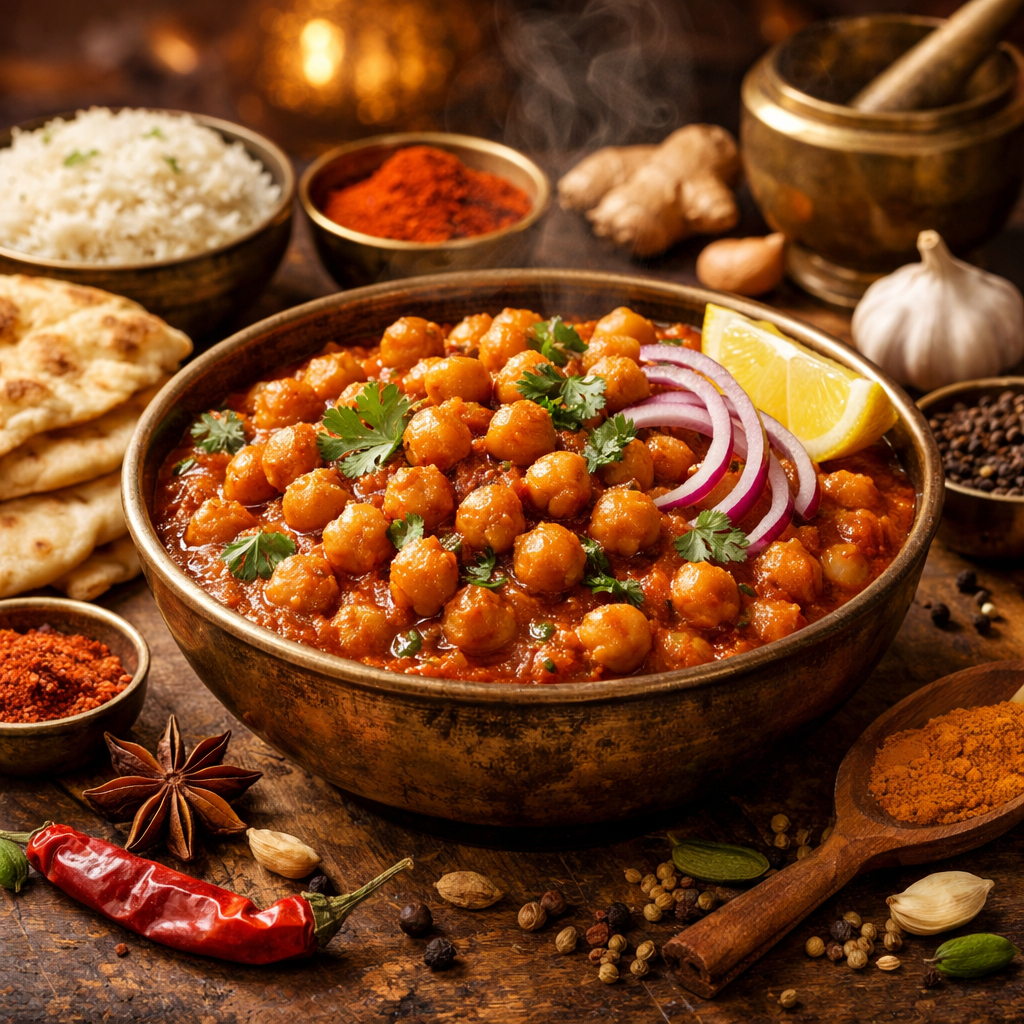
Chana masala is loved because it is:
- Made with easily available pantry ingredients
- Naturally rich in protein and fibre
- Flexible to cook in large or small quantities
- Suitable for everyday meals and special occasions
Across different homes, the recipe changes slightly. Some add more onions, some prefer more tomatoes, and some use homemade spice blends. But the base idea remains the same. Slow cooking, correct spice order, and patience bring out the real taste.
The dish does not rely on heavy ingredients or shortcuts. It depends on good-quality chickpeas, balanced spices, and the right cooking oil.
Importance of choosing the right oil in traditional recipes
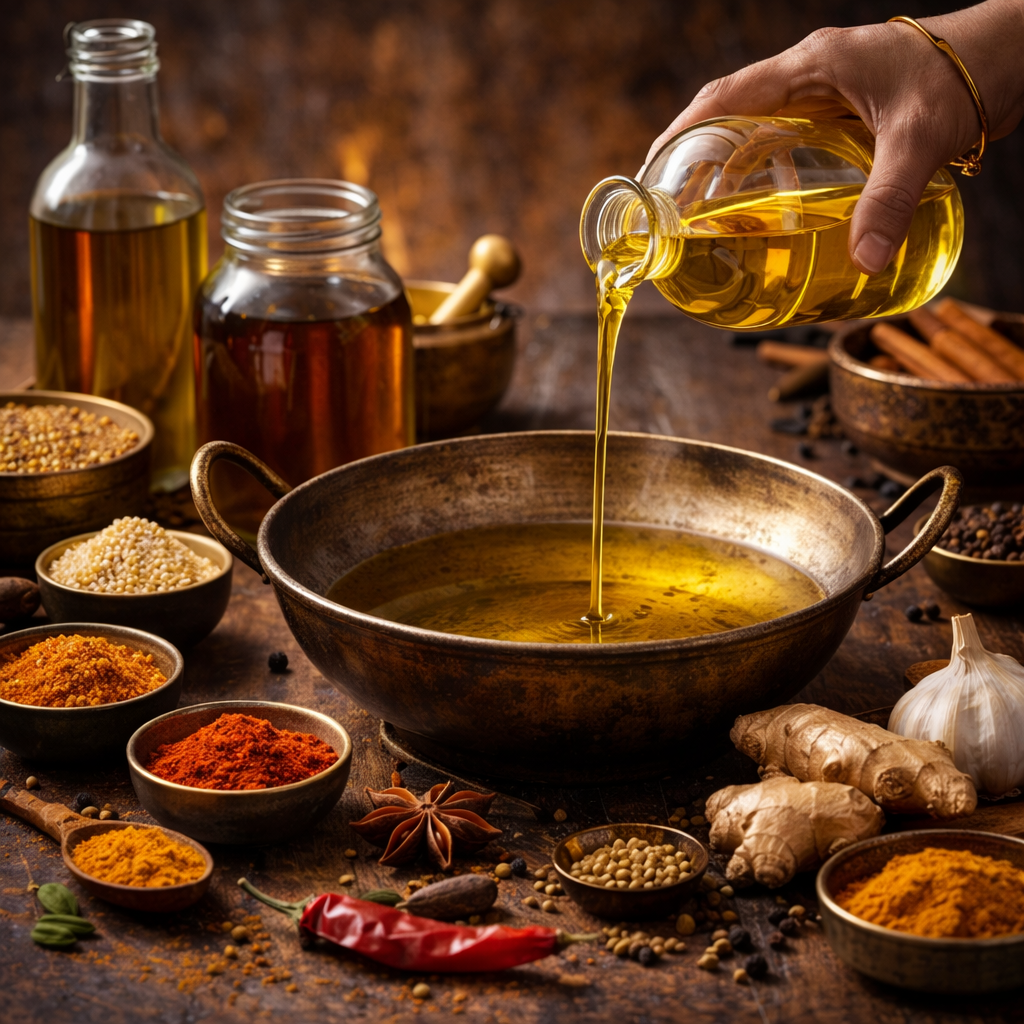
In Indian cooking, oil is not just a medium for cooking. It carries flavour, helps spices release aroma, and affects digestion. Many traditional recipes were developed keeping local oils in mind.
When oil is heated properly and spices are added in the correct order, the entire dish develops depth. Using an oil that is clean, stable, and traditionally used makes a noticeable difference in taste and aroma.
For dishes like chana masala, where spices play a key role, oil must be able to handle heat without overpowering the masala. This is why many home cooks still trust stone Pressed oils for everyday cooking.
Role of stone Pressed oils in Indian cooking
stone Pressed oils have been used in Indian kitchens for generations. These oils are extracted without excessive heat, which helps retain their natural character.
In traditional cooking:
- Oil is heated gently
- Whole spices are added first
- Ground spices are added later
- Masala is cooked until oil separates
This cooking process works best when the oil supports the spices instead of masking them.
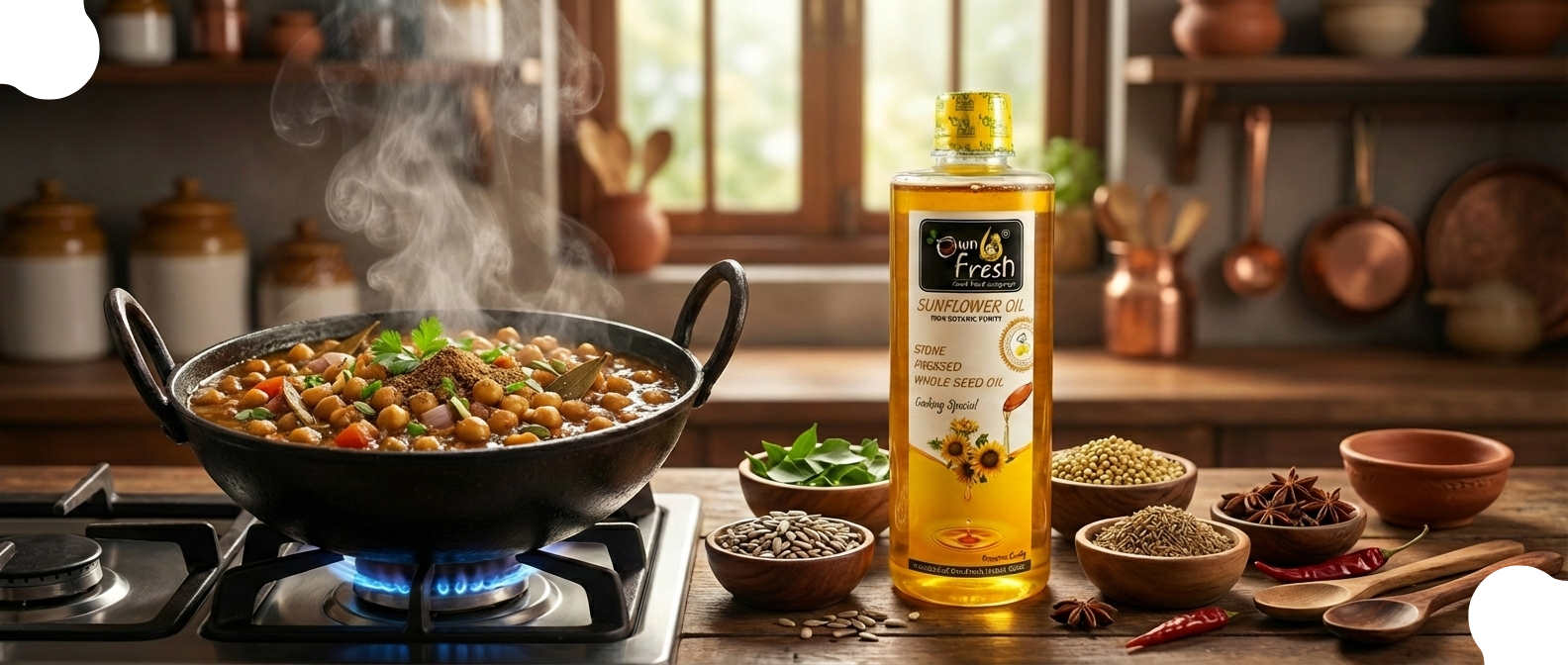
Using a clean, stone Pressed oil like OwnFresh oil allows the natural taste of spices, onions, and tomatoes to come through. The oil blends into the dish rather than sitting on top.
The goal is not to make the dish oily, but to allow each ingredient to cook properly and release its flavour.
Ingredients selection with simple Indian kitchen logic
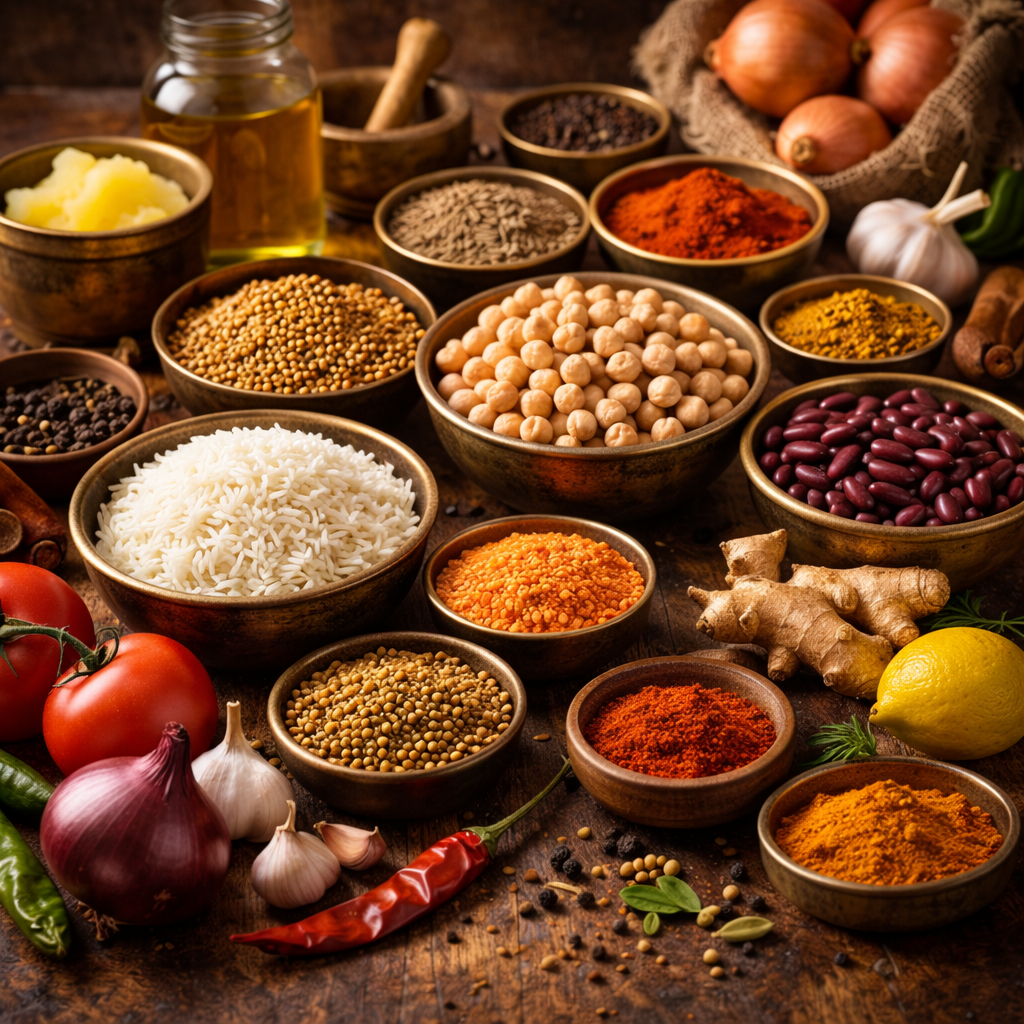
Before starting the recipe, it is important to understand why each ingredient is used.
Chickpeas
Dried white chickpeas are preferred for traditional chana masala. They have better texture and absorb flavours well when cooked slowly.
Onions
Onions form the base of the masala. Finely chopped onions cook evenly and create a smooth base.
Tomatoes
Fresh tomatoes add body and slight tang. They balance the spices and help form the gravy.
Ginger and garlic
These add warmth and depth. They should be fresh and finely chopped or crushed.
Spices
Common Indian spices like cumin, coriander, turmeric, chilli powder, and garam masala are enough. There is no need for complicated spice blends.
Oil
A good cooking oil is essential. Traditionally, home cooks prefer oils that are familiar, stable, and light on digestion. OwnFresh oil fits naturally into this cooking style without changing the original taste of the dish.
Traditional chana masala recipe using home-style methods
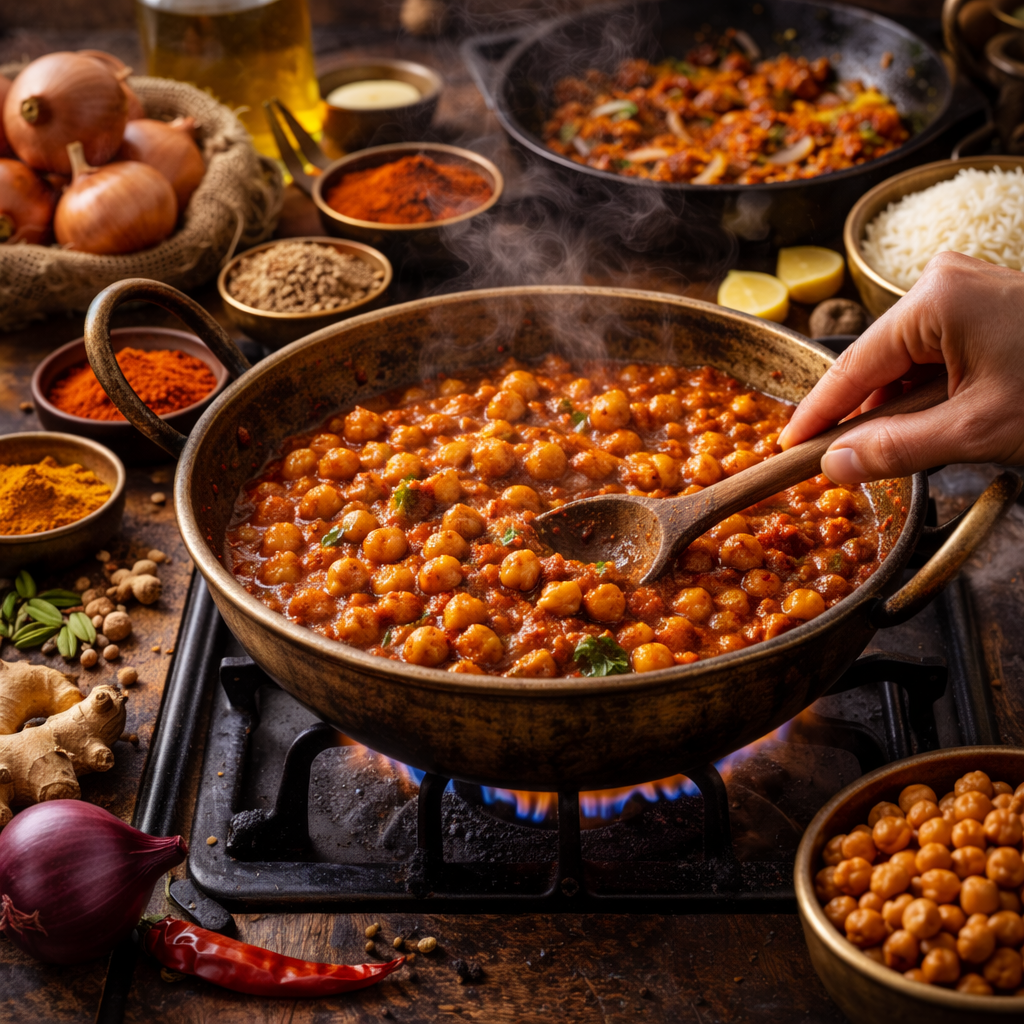
This section explains the recipe step by step. Follow the sequence carefully for best results.
Ingredients list
For cooking chickpeas:
- 1 cup dried chickpeas
- Water as required
- 1 teaspoon salt
For the masala:
- 3 tablespoons OwnFresh oil
- 1 teaspoon cumin seeds
- 2 medium onions, finely chopped
- 2 medium tomatoes, finely chopped
- 1 tablespoon ginger-garlic paste
- 1 teaspoon turmeric powder
- 1½ teaspoons coriander powder
- 1 teaspoon red chilli powder (adjust to taste)
- 1 teaspoon garam masala
- Salt to taste
For finishing:
- Fresh coriander leaves, chopped
- Lemon juice (optional)
Step 1: Preparation of chickpeas
Wash the dried chickpeas thoroughly under running water. Soak them in enough water for at least 8 hours or overnight. Soaking helps chickpeas cook evenly and become soft.
After soaking, drain the water and rinse again. Transfer the chickpeas to a pressure cooker. Add fresh water and salt. Pressure cook for 4 to 5 whistles or until the chickpeas are soft but not mushy.
If using a pot, cook covered until chickpeas are tender. This may take longer but gives good results.
Set the cooked chickpeas aside along with the cooking water.
Step 2: Heating the oil and tempering spices
Place a heavy-bottom pan on medium heat. Add OwnFresh oil and allow it to heat gently. Do not rush this step.
Once the oil is warm, add cumin seeds. Let them crackle slowly. This releases their aroma into the oil.
This initial tempering sets the base flavour of the dish.
Step 3: Cooking the onion base
Add finely chopped onions to the pan. Stir well and cook on medium heat. Onions should turn light golden and soft.
Do not brown them too quickly. Slow cooking allows natural sweetness to develop, which balances the spices later.
This step may take 8 to 10 minutes. Patience here improves the final taste.
Step 4: Adding ginger and garlic
Once onions are cooked, add ginger-garlic paste. Stir continuously for a minute.
Cook until the raw smell disappears. This step is important to avoid bitterness in the masala.
Step 5: Adding tomatoes and cooking the masala
Add chopped tomatoes to the pan. Mix well and cook until they soften completely.
As tomatoes cook, they release moisture. Continue cooking until the mixture thickens and starts leaving oil at the sides. This indicates that the masala is cooked properly.
This stage defines the body of chana masala, so take your time.
Step 6: Adding ground spices in the correct order
Lower the heat slightly and add turmeric powder, coriander powder, red chilli powder, and salt.
Mix well and cook for 2 to 3 minutes. Stir continuously to prevent burning.
Cooking spices in oil helps them release flavour evenly into the masala.
Step 7: Adding cooked chickpeas
Add the cooked chickpeas along with some of the cooking water. Mix gently so that chickpeas are coated with the masala.
Bring the mixture to a gentle boil.
Step 8: Slow cooking for flavour development
Lower the heat and let the chana masala simmer for 15 to 20 minutes. Stir occasionally.
Slow cooking allows chickpeas to absorb the spices and develop depth.
Adjust water depending on the consistency you prefer. Traditional chana masala is neither too dry nor too watery.
Step 9: Finishing touches
Add garam masala and mix gently. Cook for another 2 minutes.
Switch off the heat and garnish with fresh coriander leaves. Add a few drops of lemon juice if you like slight tang.
Let the dish rest for 5 minutes before serving. This resting time helps flavours settle.
Tips for achieving authentic taste at home
- Always soak chickpeas properly
- Cook onions slowly for better sweetness
- Do not rush the masala cooking stage
- Add spices only after tomatoes are cooked
- Simmer the dish for depth, not just to heat
Small details make a big difference in traditional cooking.
Serving suggestions
Chana masala pairs well with:
- Steamed rice
- Jeera rice
- Phulka or roti
- Poori or bhature
A simple onion salad or curd on the side completes the meal.
Why traditional cooking methods still matter
Traditional recipes were developed through experience. They focus on digestion, balance, and nourishment. When you cook slowly using familiar ingredients and trusted oils, food feels lighter and more satisfying.
Using a reliable oil like OwnFresh oil fits naturally into this approach. It supports everyday cooking without changing the soul of the dish.
Frequently asked questions
Is chana masala healthy for regular meals?
Yes, chana masala is rich in protein and fibre and suitable for regular home meals when cooked with balanced oil and spices.
Can I use canned chickpeas instead of dried ones?
You can, but dried chickpeas give better texture and flavour in traditional recipes.
Why is my chana masala tasting raw?
This usually happens when onions, tomatoes, or spices are not cooked properly. Allow enough time for masala cooking.
How much oil is ideal for chana masala?
Use enough oil to cook spices and masala properly, but avoid excess. Balance is key.
Can I store chana masala?
Yes, it stays well in the refrigerator for 2 days and often tastes better the next day.
Which oil is best for traditional Indian cooking?
Traditionally, stone Pressed oils are preferred as they support spice cooking and digestion.
How do I thicken chana masala naturally?
Slow cooking and mashing a few chickpeas in the gravy help thicken it naturally.