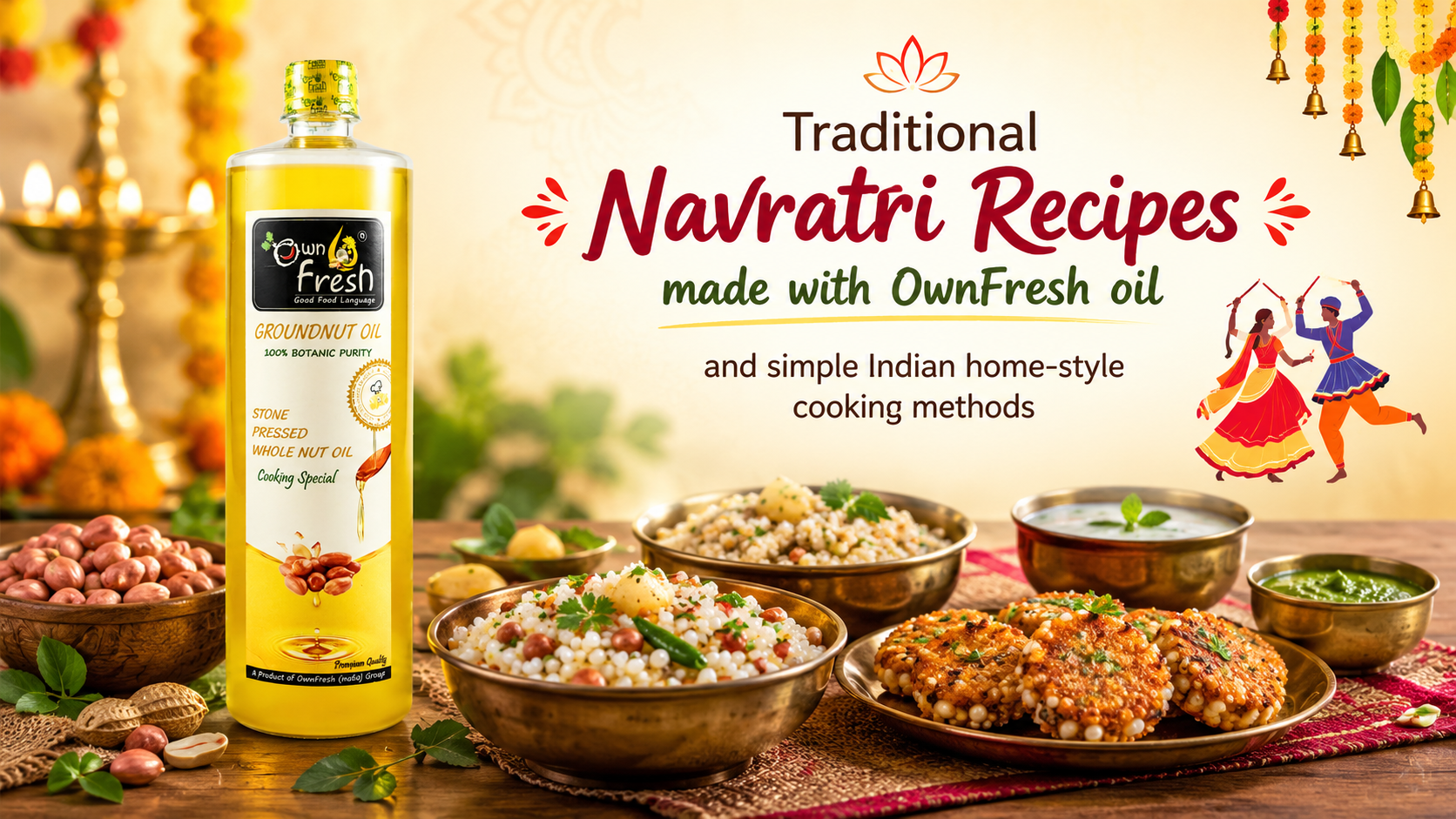
Navratri is a special time in many Indian homes. Along with prayers, family traditions and festive routines, food becomes an important part of the experience. During fasting, everyday meals often change, but that does not mean they have to become boring or complicated.
Across India, families prepare many comforting Navratri recipes using ingredients such as sabudana, potatoes, samak rice, kuttu flour, rajgira flour, peanuts, curd and fresh coconut. Simple spices, fresh herbs and the right cooking method can bring these ingredients together into satisfying meals.
Fasting rules are not exactly the same everywhere. Some families follow strict vrat traditions, while others have their own regional practices. Ingredients and even spices allowed during Navratri can differ from one household to another. So, it is always best to prepare food according to your family's fasting tradition.
In this article, we will explore traditional Navratri recipes that are practical for an Indian home kitchen. We will also look at how cooking oil contributes to texture and flavour and how OwnFresh oil can naturally be part of traditional home cooking.
Table of Contents
- Understanding Navratri food traditions
- Ingredients commonly used during Navratri
- Choosing the right cooking oil
- The role of Stone-Pressed oil in traditional cooking
- Traditional Navratri recipes
- 1. Sabudana khichdi
- 2. Aloo jeera
- 3. Samak rice pulao
- 4. Rajgira thalipeeth
- 5. Vrat-friendly potato curry
- Practical Navratri cooking tips
- How to avoid sticky sabudana khichdi
- How to make crisp sabudana vada
- How to prevent vrat rotis from breaking
- How to get fluffy samak rice
- How to balance spices
- Use oil carefully
- Cook fresh when possible
- Navratri food traditions across Indian homes
- How OwnFresh fits into traditional home cooking
- Conclusion
- FAQs
- What food can be eaten during Navratri fasting?
- Which oil is suitable for Navratri cooking?
- Can Stone-Pressed oil be used for vrat recipes?
- How do you prevent sabudana khichdi from becoming sticky?
- What flour is commonly used for Navratri rotis?
- Can potatoes be used during Navratri fasting?
- What is sendha namak and why is it used during fasting?
- How can Navratri recipes be made more flavourful without regular ingredients?
Understanding Navratri food traditions
Navratri fasting is followed differently across Indian households. Some people avoid grains and pulses, while ingredients such as samak rice, kuttu, singhara and rajgira are commonly used as alternatives.
Potatoes and sweet potatoes are also popular because they can be prepared in several simple ways. Sabudana is another favourite, especially for dishes such as khichdi and vada.
Instead of using a large number of ingredients, Navratri cooking often focuses on a few familiar foods prepared carefully. Peanuts can provide crunch, curd can bring a cooling element, and fresh coriander, green chilli, lemon and coconut can add freshness.
Sendha namak is commonly used in many fasting preparations instead of regular table salt. However, fasting practices differ, so ingredients should always be selected according to the rules followed in your home.
The beauty of Indian Navratri food is its simplicity. With good preparation and careful cooking, a small selection of ingredients can create several different meals.
Ingredients commonly used during Navratri
A useful Navratri kitchen starts with ingredients that suit the family's fasting tradition.
Sabudana: Used for khichdi, vada and other fasting preparations.
Potatoes: Easy to boil, sauté, roast or turn into a simple curry.
Sweet potatoes: Naturally suitable for many simple fasting preparations.
Samak rice: Commonly prepared as rice, pulao or khichdi-style dishes.
Kuttu flour: Often used for vrat rotis, puris and other preparations.
Rajgira flour: Useful for flatbreads and thalipeeth.
Singhara flour: Another popular flour for fasting breads.
Peanuts: Add texture and a nutty flavour to many dishes.
Curd: Useful in cooling accompaniments and vrat-friendly kadhi.
Fresh coconut: Adds freshness and richness.
Fresh herbs: Coriander, curry leaves where permitted, and other fresh herbs can improve flavour.
Sendha namak: Commonly used in fasting meals where permitted.
The most important point is to know what your own fasting tradition permits. A food considered suitable in one household may not be followed during fasting in another region or family.
Choosing the right cooking oil
Oil may look like a small part of a recipe, but it has an important role in Indian cooking. It helps with tempering, sautéing, frying and roasting while also contributing to the final texture and flavour of a dish.
The quantity matters too. Too little oil can sometimes make a dish stick to the pan, while too much can make a simple fasting meal feel heavy. The aim is to use enough oil for the cooking method without overpowering the main ingredients.
Traditional Indian kitchens have long used different types of traditionally processed oils depending on regional preferences and the dish being prepared. The choice can depend on flavour, cooking method, availability and personal preference.
For home-style Navratri cooking, OwnFresh oil can be used naturally in preparations where cooking oil is permitted. Whether you are sautéing potatoes, tempering a curry or preparing a pan-cooked fasting dish, careful control of heat and oil helps preserve the texture of the ingredients.
The role of Stone-Pressed oil in traditional cooking
Stone-Pressed oil refers to oil produced using a traditional pressing approach involving mechanical pressure rather than relying on a highly industrialised extraction style.
Traditional Indian cooking has historically valued oils that retain the natural character associated with their source and processing method. For a home cook, however, the most important consideration is still how the oil works with the particular recipe.
OwnFresh uses the term Stone-Pressed when describing its oil. In everyday cooking, it can fit into recipes where oil is required for sautéing, tempering or frying.
There is no need to make every recipe complicated. Good fasting food usually comes from sensible ingredient combinations, correct preparation, controlled heat and careful seasoning.
Traditional Navratri recipes
Here are five home-style Navratri recipes that bring together different textures and cooking methods.
1. Sabudana khichdi
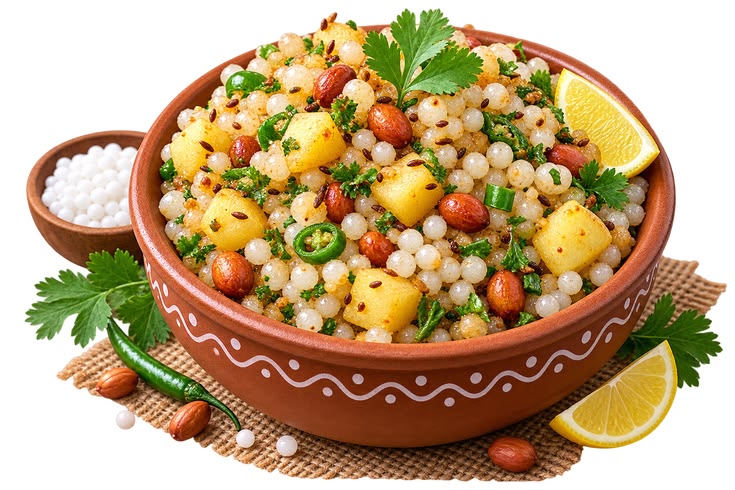
Sabudana khichdi is one of the most familiar Navratri fasting recipes. The combination of softened tapioca pearls, roasted peanuts, potato, green chilli and fresh coriander creates a satisfying dish with a pleasant contrast of textures.
Ingredients
1 cup sabudana
1 medium potato, boiled and diced
¼ cup roasted peanuts, crushed
2 tablespoons OwnFresh oil
1 teaspoon cumin seeds
1–2 green chillies, chopped
½ teaspoon grated ginger, optional
Sendha namak as required
1 teaspoon lemon juice
Fresh coriander, chopped
Preparation
Wash the sabudana gently and drain it well. Add just enough water to keep it moist and leave it covered for several hours, preferably according to the type of sabudana being used.
After soaking, press one pearl between your fingers. It should soften easily without remaining hard in the centre.
Mix the softened sabudana with crushed roasted peanuts and keep it ready.
Cooking method
Heat OwnFresh oil in a wide pan over medium heat. Add cumin seeds and let them crackle gently.
Add green chilli and ginger if using. Stir for a few seconds.
Add the boiled potato and sauté for about 2–3 minutes.
Now add the prepared sabudana mixture and sendha namak. Mix gently.
Cook over low to medium heat for about 4–6 minutes, stirring occasionally. Avoid continuous stirring because it can make the pearls sticky.
Once the sabudana becomes translucent and soft, switch off the heat. Add lemon juice and fresh coriander.
Traditional cooking logic
The soaking stage is the key to good sabudana khichdi. Properly hydrated pearls cook quickly without needing excessive water. Roasted peanuts add texture and prevent the dish from feeling one-dimensional.
A wide pan and gentle heat also help individual pearls cook more evenly.
2. Aloo jeera
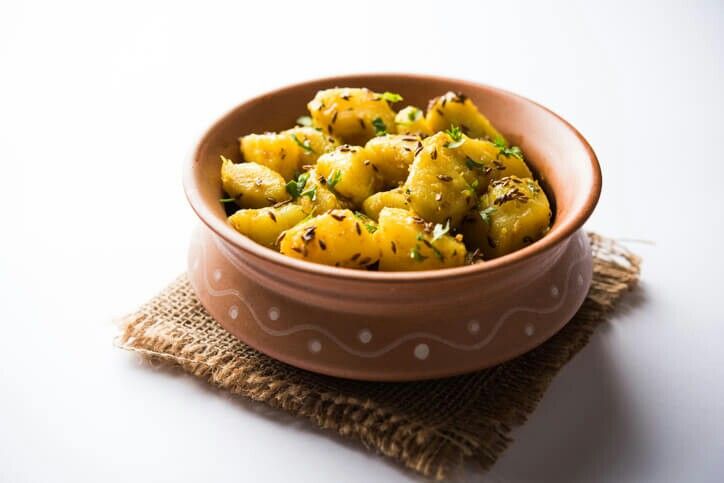
Aloo jeera is one of the easiest vrat-friendly recipes to prepare. Boiled potatoes are tossed with cumin, green chilli and simple seasonings to create a dish that works well for breakfast, lunch or dinner.
Ingredients
3 medium potatoes
1½ tablespoons OwnFresh oil
1 teaspoon cumin seeds
1 green chilli, chopped
½ teaspoon cumin powder
Sendha namak as required
1 teaspoon lemon juice
Fresh coriander
Preparation
Boil the potatoes until they are cooked but not falling apart. Allow them to cool slightly, peel them and cut them into medium-sized pieces.
Keep the pieces reasonably large so they do not break while cooking.
Cooking method
Heat OwnFresh oil in a pan over medium heat.
Add cumin seeds and allow them to sizzle.
Add the chopped green chilli and sauté briefly.
Add the boiled potatoes and toss gently.
Sprinkle cumin powder and sendha namak. Cook for 4–5 minutes, turning the potatoes carefully so they develop a lightly cooked outer surface.
Finish with lemon juice and fresh coriander.
Traditional cooking logic
Boiling the potatoes first reduces cooking time in the pan. Adding cumin at the beginning allows its aroma to spread through the oil, while adding the potatoes afterwards lets them absorb the seasoning without becoming mushy.
3. Samak rice pulao
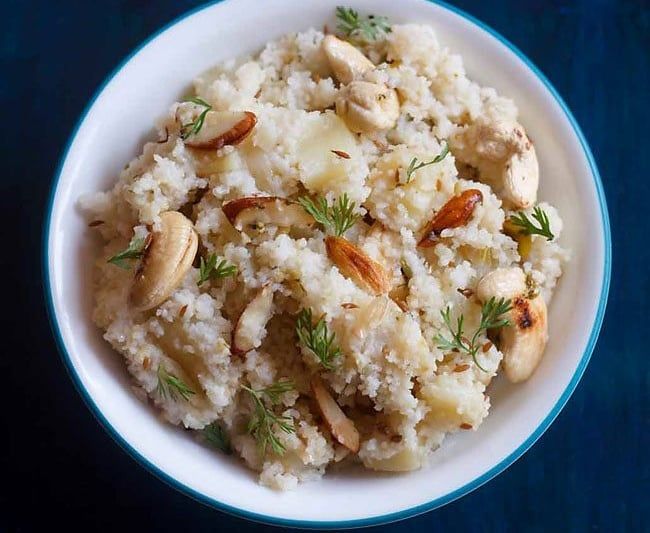
Samak rice is commonly used in fasting meals as an alternative to regular rice. It can be turned into a simple pulao with potatoes, peanuts and fresh herbs.
Ingredients
1 cup samak rice
1½ cups water, adjusted according to the rice
1 small potato, diced
2 tablespoons OwnFresh oil
1 teaspoon cumin seeds
2 tablespoons roasted peanuts
1 green chilli, chopped
Sendha namak as required
Fresh coriander
1 teaspoon lemon juice
Preparation
Wash the samak rice gently several times. Drain it properly.
If your variety benefits from soaking, soak it briefly and drain before cooking.
Keep the diced potato and peanuts ready.
Cooking method
Heat OwnFresh oil in a heavy-bottomed pan.
Add cumin seeds and let them crackle.
Add green chilli and potato. Cook for about 3–4 minutes.
Add the washed samak rice and gently stir for another minute.
Pour in the measured water and add sendha namak.
Bring the mixture to a gentle boil. Cover the pan and reduce the heat.
Cook until the water is absorbed and the grains are tender. Avoid stirring repeatedly during this stage.
Switch off the heat and let the rice rest, covered, for about 5 minutes.
Fluff gently with a fork or spoon. Add roasted peanuts, coriander and lemon juice before serving.
Traditional cooking logic
Samak rice can become soft if too much water is used. Measuring the liquid carefully and avoiding unnecessary stirring helps maintain a better grain-to-grain texture.
Resting the cooked rice also allows remaining moisture to distribute evenly.
4. Rajgira thalipeeth
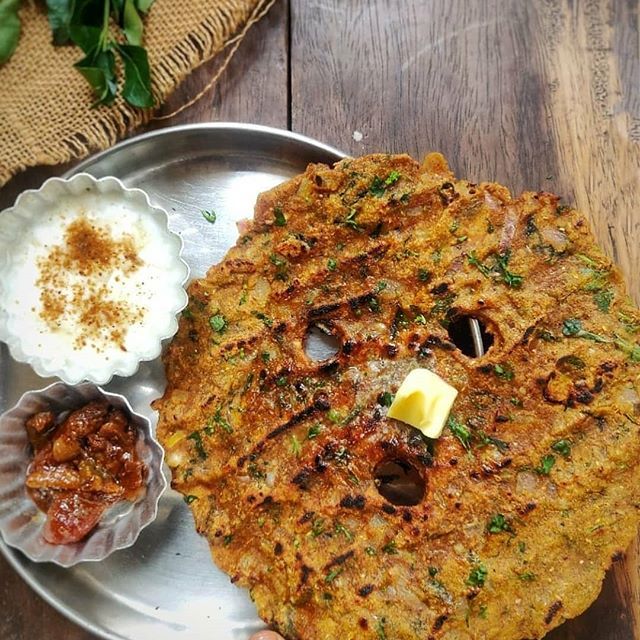
Rajgira flour is useful for making a filling fasting flatbread. Because gluten-free fasting flours do not behave like regular wheat flour, the dough needs gentle handling and sufficient moisture.
Ingredients
1 cup rajgira flour
1 small boiled potato, mashed
2 tablespoons roasted peanut powder
1 green chilli, finely chopped
1 tablespoon chopped coriander
Sendha namak as required
Water as needed
OwnFresh oil for cooking
Preparation
Combine rajgira flour, mashed potato, peanut powder, green chilli, coriander and sendha namak.
Add water little by little and bring everything together into a soft dough.
Do not add all the water at once.
Cooking method
Heat a tawa over medium heat.
Take a portion of dough and flatten it carefully between lightly greased sheets or directly on a suitable surface.
Place the flattened dough on the hot tawa.
Drizzle a little OwnFresh oil around the edges and cook until the underside firms up.
Turn gently and cook the other side.
Apply a little more oil if required and cook until both sides develop light brown spots.
Traditional cooking logic
Rajgira dough does not have the elasticity of wheat dough. The mashed potato helps bind the mixture and makes shaping easier.
The moisture level is equally important. A dry dough cracks easily, while an overly wet mixture becomes difficult to handle.
5. Vrat-friendly potato curry
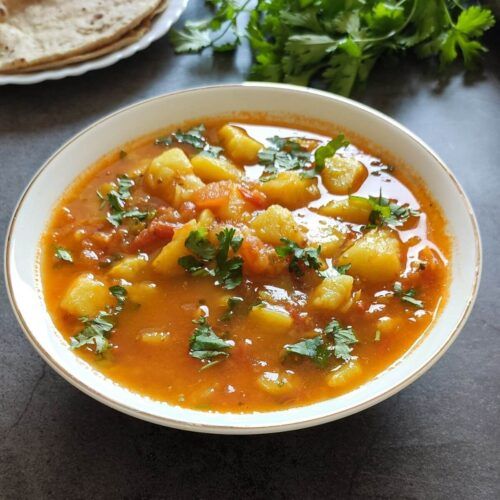
A simple potato curry can be made without a long list of ingredients. The combination of potato, cumin, green chilli, ginger and fresh coriander creates a comforting accompaniment for fasting meals.
Ingredients
3 medium boiled potatoes
1½ tablespoons OwnFresh oil
1 teaspoon cumin seeds
1 green chilli, chopped
½ teaspoon grated ginger
½ teaspoon cumin powder
½ teaspoon coriander powder, if permitted in your fasting tradition
Sendha namak as required
1 cup water
Fresh coriander
1 teaspoon lemon juice
Preparation
Boil the potatoes and cut them into medium pieces.
Prepare the chopped chilli, grated ginger and coriander before starting the cooking process.
Cooking method
Heat OwnFresh oil in a pan.
Add cumin seeds and let them crackle.
Add green chilli and ginger. Sauté for a few seconds.
Add cumin powder and any other fasting-permitted spice. Stir briefly.
Add the boiled potatoes and toss gently.
Pour in water and add sendha namak.
Bring to a gentle simmer and cook for about 5–7 minutes.
For a thicker curry, lightly mash a few potato pieces into the gravy.
Finish with coriander and lemon juice.
Traditional cooking logic
Adding a small amount of mashed potato naturally thickens the curry without requiring any additional thickening ingredient. The short simmer also allows the seasoning to move into the potatoes.
Practical Navratri cooking tips
How to avoid sticky sabudana khichdi
Do not soak sabudana in excessive water. The exact soaking requirement depends on the variety, so test a pearl before cooking. Also avoid overcooking and constant stirring.
How to make crisp sabudana vada
If preparing sabudana vada, make sure the soaked pearls are well drained. Excess moisture can make the mixture difficult to shape and prevent a crisp exterior.
Use medium heat for frying so the outside does not brown too quickly while the inside remains undercooked.
How to prevent vrat rotis from breaking
Gluten-free fasting flours need a suitable binder and enough moisture. Boiled potato can help with binding. Keep the dough soft and flatten the roti gently rather than trying to stretch it like wheat dough.
How to get fluffy samak rice
Measure the water carefully and avoid excessive stirring. Once cooked, keep the pan covered for a few minutes before gently fluffing the rice.
How to balance spices
Fasting food does not need a large number of spices. Cumin, green chilli, ginger, lemon, fresh coriander and roasted peanuts can provide plenty of flavour when used thoughtfully and according to your family's fasting rules.
Use oil carefully
Use enough oil for the cooking technique, but avoid treating oil as the main source of flavour. Controlled heat and proper preparation often make a bigger difference to the final dish.
Cook fresh when possible
Many fasting dishes taste best soon after cooking. Sabudana khichdi, potato preparations and samak rice can change texture when left for too long, so prepare portions according to the number of people eating.
Navratri food traditions across Indian homes
Navratri food is not identical throughout India. Regional customs influence what families eat and how they prepare it.
In many North Indian homes, sabudana, kuttu, potatoes and curd-based preparations are familiar parts of fasting meals. Western Indian households may have their own combinations of fasting flours, peanuts, potatoes and sweet preparations.
Maharashtra has a strong tradition of sabudana-based fasting foods, while Gujarat has its own variety of vrat preparations and flour-based dishes. Rajasthan also has distinctive regional approaches to fasting food.
Even within the same region, families can follow different rules. One household may allow a particular spice while another may avoid it. Some families may include certain vegetables or grains while others follow stricter restrictions.
This diversity is part of Indian food culture. The goal is not to follow one universal menu but to respect the fasting practice followed by your family.
How OwnFresh fits into traditional home cooking
Traditional Navratri food does not need elaborate preparation. A few familiar ingredients, a suitable cooking oil and careful technique can create meals that feel comforting and festive.
OwnFresh oil can naturally be part of this style of cooking where oil is permitted. Whether you are tempering cumin for aloo jeera, sautéing potatoes, preparing samak rice or cooking a fasting flatbread, the focus should remain on using the right amount of oil and controlling the heat.
This is where traditional Indian cooking remains practical: good ingredients, thoughtful preparation and patience at the stove.
The combination of traditional ingredients, sensible cooking methods and a trusted cooking oil can make simple Navratri meals enjoyable for the whole family.
Conclusion
Navratri cooking is a beautiful example of how Indian homes turn simple ingredients into satisfying food. Sabudana, potatoes, samak rice, rajgira, peanuts, curd and fresh herbs can become many different dishes when prepared with care.
The most important part is not complexity. It is understanding the ingredients, following the fasting traditions of your household and giving each cooking step enough attention.
From a soft sabudana khichdi to a simple aloo jeera, fluffy samak rice or a carefully prepared rajgira thalipeeth, traditional Navratri recipes can be both practical and delicious.
With fresh ingredients, controlled seasoning, suitable cooking oil and familiar home-style methods, fasting meals can remain comforting throughout the festive season.
FAQs
What food can be eaten during Navratri fasting?
Common fasting ingredients include sabudana, potatoes, sweet potatoes, samak rice, kuttu flour, rajgira flour, singhara flour, peanuts, curd and fresh coconut. Rules differ between families and regions, so follow your household's fasting tradition.
Which oil is suitable for Navratri cooking?
The choice depends on the recipe, personal preference and the fasting practices followed in your home. Where cooking oil is permitted, a traditionally processed oil such as Stone-Pressed oil can be used for sautéing, tempering or other suitable cooking methods.
Can Stone-Pressed oil be used for vrat recipes?
Yes, where oil is permitted as part of your fasting tradition, Stone-Pressed oil can be used in suitable vrat recipes. The quantity and cooking method should be chosen according to the dish.
How do you prevent sabudana khichdi from becoming sticky?
Use the right amount of water while soaking, drain the sabudana properly and avoid overcooking. During cooking, stir gently and only when necessary.
What flour is commonly used for Navratri rotis?
Kuttu, rajgira and singhara flours are commonly used for fasting flatbreads. Each behaves differently from wheat flour, so the dough needs careful moisture control.
Can potatoes be used during Navratri fasting?
Potatoes are commonly included in many Navratri fasting traditions, but individual practices can differ. Follow the rules observed by your family or community.
What is sendha namak and why is it used during fasting?
Sendha namak, commonly called rock salt, is traditionally used in many fasting preparations instead of regular table salt. Whether it is permitted depends on the fasting practice being followed.
How can Navratri recipes be made more flavourful without regular ingredients?
Use fresh herbs, lemon, green chilli, cumin, roasted peanuts, fresh coconut and fasting-permitted spices. Good preparation and controlled cooking can bring out the natural flavour of simple ingredients.