By OwnFresh Editorial Team
Namaste and welcome to the OwnFresh family!
If you walk into any Indian kitchen today, from the bustling apartments of Mumbai to the quiet homes in Kerala, you will likely find a plastic pouch or a transparent bottle of cooking oil sitting right next to the stove. It is the most essential ingredient in our cooking. Whether we are tempering our morning sambar, frying puris for a festival, or just making a simple bhindi sabzi, we reach for that bottle without a second thought.
For decades, we have been told that “Refined Oil” is the modern, healthy choice. Television advertisements show us fit, energetic people running marathons after eating puris fried in refined oil. They promise us “zero cholesterol,” “lightness,” and “fortified vitamins.” We trusted these labels. We brought these oils into our homes, believing we were doing the best for our families.
But have you ever paused to ask: What does “Refined” actually mean?
At OwnFresh, we believe that food should be simple, honest, and pure. We believe in the wisdom of our ancestors, who didn’t need chemical labs to make their food edible. Today, we want to have an honest conversation with you about the oil in your kitchen. It is not about fear-mongering; it is about empowerment. It is about understanding the journey your oil takes before it reaches your kadhai, and why the shiny, transparent liquid in that packet might be hiding an “ugly truth” that is costing us our health.
Let’s peel back the label and look at what really goes into and what is taken out of your cooking oil.
Table of Contents
Part 1: What exactly is “Refined” oil?
To understand why refined oil is problematic, we first have to understand what it is. The word “refined” usually sounds positive. We speak of “refined” sugar, “refined” flour, and “refined” culture. In English, it implies elegance and purity.
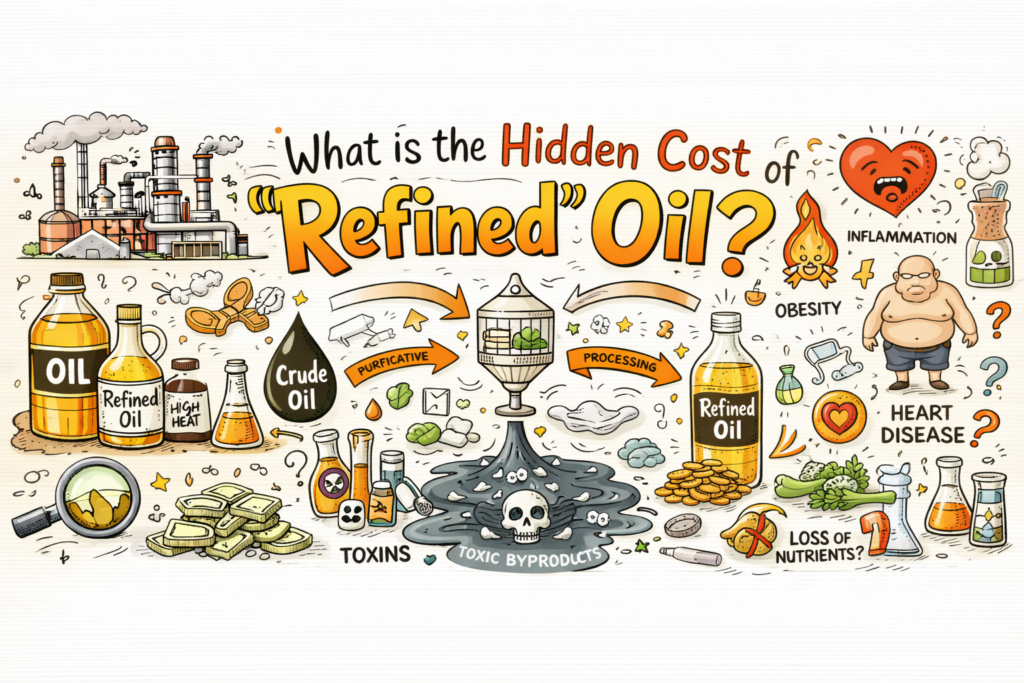
However, in the world of food processing, “Refining” means “Stripping.”
Refined oil is not “clean” oil; it is processed oil. It is an edible vegetable oil that has been chemically treated to neutralise its taste, smell, and colour.
Think about a raw peanut. It has a distinct, nutty aroma. It has a reddish-brown skin. If you crush it, the oil that comes out should smell like peanuts and have a golden-yellow colour. But look at refined groundnut oil. It is colourless. It is odourless. It is tasteless.
How do you turn a flavourful, colourful natural ingredient into a transparent, tasteless liquid?
You cannot do it naturally. You have to use high heat, harsh chemicals, and industrial bleaching agents.
The refined oil industry was born out of a desire for consistency and profit, not health. In the past, oils like sesame (til), mustard (sarson), and coconut were extracted using wooden or stone presses (ghani). This process was slow and yielded less oil, but the oil was pure.
As the demand for processed foods grew, manufacturers wanted cheaper oils. They also wanted oils from seeds that don’t give up their oil easily, like soybeans, corn, and cottonseeds. You cannot simply press a soybean to get oil; you have to chemically extract it. This necessity gave birth to the modern refining industry.
Today, “Refined Oil” is the standard in most Indian households because it is cheap and it lasts a long time on the shelf. But as we are about to see, this convenience comes at a heavy price to our nutritional well-being.
Part 2: The journey from seed to bottle (the processing)
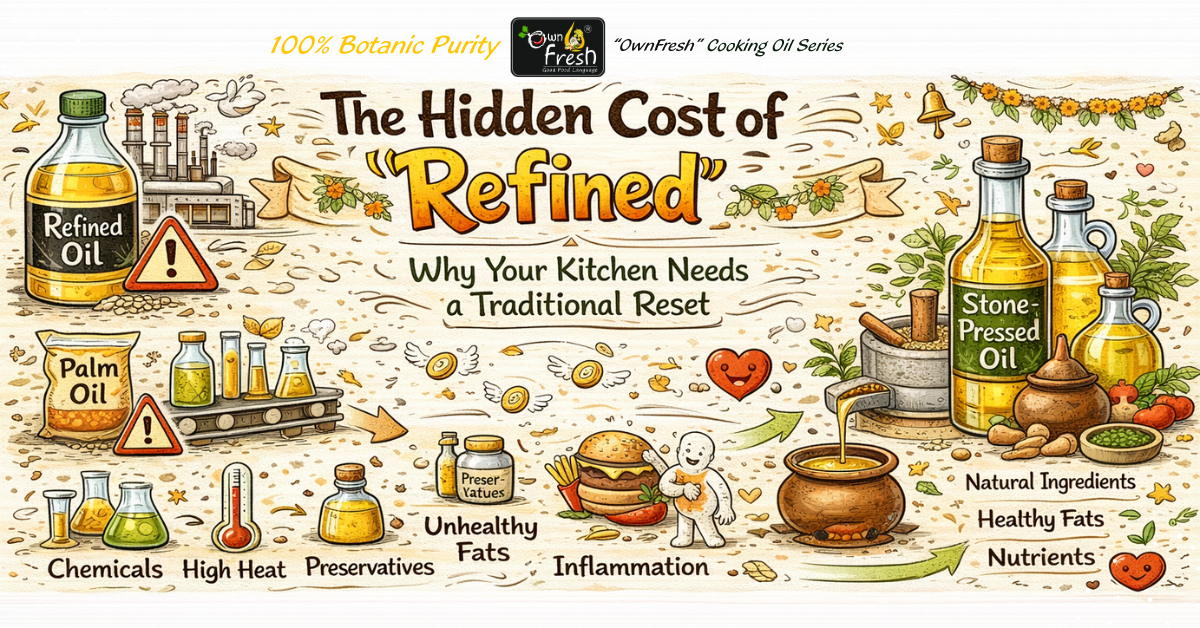
At OwnFresh, we follow the “Stone-Pressed” method, which is very short: Seed → Stone Press → Filter Cloth → Bottle.
In contrast, the journey of refined oil is long, complex, and frankly, quite frightening when you look at the details. It involves multiple stages of chemical baths and extreme temperature treatments.
Let’s break down the typical refining process, step-by-step, so you can see exactly what happens to the oil.
Step 1: Solvent extraction (the chemical bath)
In the traditional method, we press seeds to squeeze out the oil. But this leaves some oil behind in the cake. Large manufacturers cannot afford to lose that oil.
To get every last drop, they use a process called Solvent Extraction. The seeds are washed in a chemical solvent, most commonly Hexane. Hexane is a byproduct of petroleum refining yes, crude oil. It is highly efficient at dissolving oil from seeds.
The seeds are soaked in this petroleum-derived chemical to extract the oil. Later, the oil is heated to evaporate the hexane, but trace amounts can remain. The result of this stage is a dark, gummy, strong-smelling crude oil that is actually unfit for human consumption.
Step 2: Degumming (removing the good stuff)
The crude oil obtained from extraction contains natural “gums,” resins, and phosphatides. In a natural context, some of these are healthy nutrients like lecithin. However, these gums can cause the oil to smoke or burn during cooking, and they reduce the shelf life.
To fix this, the oil undergoes Degumming. It is treated with water or acids (often phosphoric acid) to precipitate the gums. The gums are then separated and removed. This step is the first major blow to the oil’s nutrient profile, stripping away natural emulsifiers and minerals.
Step 3: Neutralisation (the soap effect)
The crude oil also contains Free Fatty Acids (FFAs), which can make the oil taste bitter and go rancid quickly. To remove these, the oil is treated with Caustic Soda (Sodium Hydroxide) or a similar alkali.
If that sounds familiar, it is because Sodium Hydroxide is a key ingredient in making soap. When the alkali mixes with the fatty acids, it literally turns them into soap stock, which is then separated from the oil. This process, called Neutralisation, lowers the acidity of the oil but involves washing your food with harsh alkalis.
Step 4: Bleaching (erasing the colour)
Natural oils have colour. Mustard oil is amber-gold; coconut oil is creamy white; groundnut oil is yellow. Manufacturers, however, want a product that looks “pure” and transparent.
The oil is pumped into a bleaching tank where it is treated with “Bleaching Earth” (Fuller’s Earth) or activated carbon. In some cases, stronger chemical bleaching agents are used. This process strips away the natural pigments.
Unfortunately, pigments like Beta-Carotene (which gives colour to carrots and many oils) and Chlorophyll are powerful antioxidants. By bleaching the oil to make it look “clean,” the industry removes the very compounds that protect our bodies from oxidation.
Step 5: Deodorisation (the high-heat danger zone)
This is perhaps the most critical and damaging step.
After all the chemical washes, the oil smells terrible. It smells of solvents and processing. To make it edible, it must be Deodorised.
The oil is subjected to extremely high temperatures often between 230°C to 260°C under a vacuum. This steam distillation process strips away all volatile compounds that cause odour.
The result is a bland, odourless oil that will not overpower the taste of your food. But the damage done here is invisible and dangerous.
- Destruction of Nutrients: Any remaining heat-sensitive vitamins (like Vitamin E) are severely degraded.
- Creation of Trans Fats: The high heat can alter the molecular structure of the unsaturated fatty acids, twisting them into unnatural shapes. This creates Trans Fatty Acids, which are widely recognised as harmful to heart health.
The Final Product
What you are left with is a liquid that is technically “oil,” but it is dead. It has no enzymes, no natural vitamins, no antioxidants, and no flavour. It has been stripped, washed, bleached, and heated until it is merely a calorie-dense lubricant for your food.
Part 3: The health implications (the ugly truth)
So, we know how it is made. But does it really matter? If the chemicals are removed and the oil looks clean, is it safe?
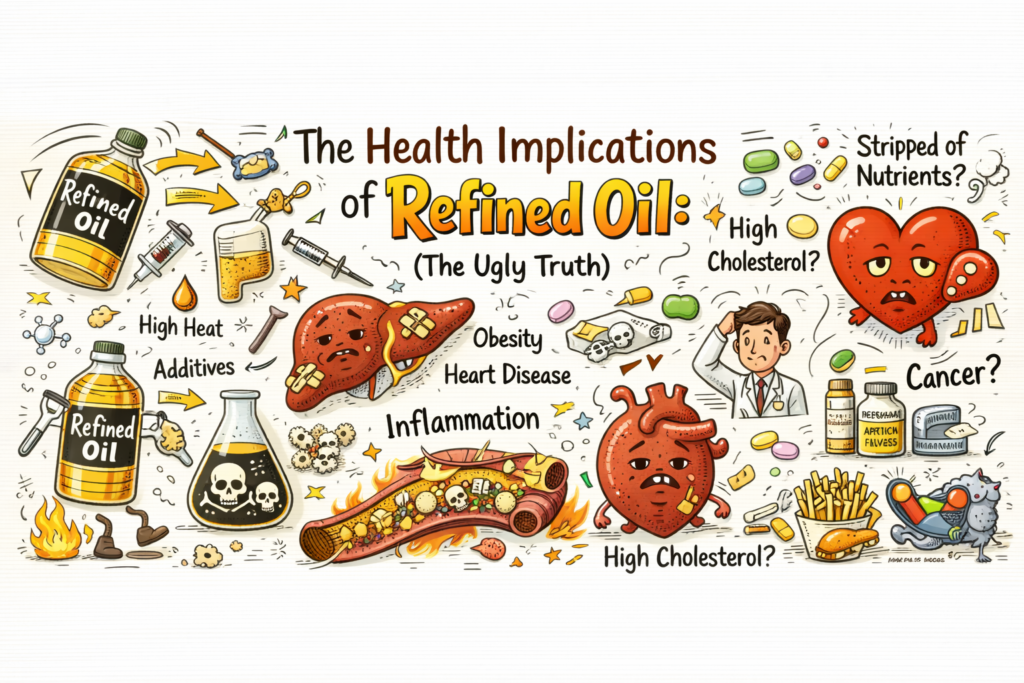
The rising rates of lifestyle diseases in India diabetes, heart disease, hypertension, and PCOD suggest that something in our diet has changed fundamentally. While we cannot blame oil for everything, it is a major suspect. We consume oil every single day. The quality of that oil dictates the quality of our cell membranes, our hormones, and our heart health.
Here are the primary health concerns associated with the regular consumption of refined oils.
1. The Inflammation Epidemic
Inflammation is the body’s natural response to injury. But when inflammation becomes chronic (constant), it leads to disease.
Refined oils, particularly those made from sunflower, safflower, soybean, and corn, are extremely high in Omega-6 fatty acids. While our bodies need some Omega-6, we need it in balance with Omega-3 fatty acids (found in ghee, flaxseeds, fish, and walnuts).
In the past, our intake ratio of Omega-6 to Omega-3 was healthy (around 4:1). Today, with the prevalence of refined vegetable oils, that ratio has skewed dangerously to 20:1 or even higher.
This imbalance triggers chronic inflammation in the body. Experts link this inflammation to:
- Joint pain and arthritis.
- Digestive issues (IBS).
- Increased risk of autoimmune diseases.
2. The heart health myth
For years, we were told that traditional fats like Ghee and Coconut oil were bad for the heart because of cholesterol, and that refined vegetable oils were “heart-healthy” because they were cholesterol-free.
Modern science is turning this on its head.
The Trans Fats created during the high-heat deodorisation process of refined oils are a disaster for cardiovascular health. Trans fats are known to:
- Raise LDL (Bad) Cholesterol.
- Lower HDL (Good) Cholesterol.
- Damage the lining of the blood vessels.
Furthermore, refined oils are unstable. When you reheat them (like using leftover oil for frying), they oxidise rapidly, creating free radicals that cause oxidative stress in the heart and arteries.
3. The “palm oil” adulteration secret
This is a point often discussed in industry reports but rarely on the bottle label. To keep prices low, many “Refined Vegetable Oils” are blended with cheaper oils.
Palm Oil is the most common adulterant. It is cheap and abundant. While fresh, red palm oil has some benefits, the refined, bleached palm oil often used as a filler is highly processed.
If you buy a packet simply labelled “Refined Vegetable Oil” or “Edible Vegetable Oil,” there is a high chance it contains a significant amount of refined palm oil or cottonseed oil. Cottonseed oil is particularly controversial because cotton is not a food crop; it is a fibre crop often sprayed with heavy pesticides, which can end up in the seeds.
4. Digestive and hormonal health
In Indian medicine (Ayurveda), the gut is the centre of health. Traditional oils like cold-pressed sesame or coconut are light and easy to digest. They contain short and medium-chain fatty acids that the body uses for energy.
Refined oils, stripped of their natural enzymes and altered by heat, can be harder for the liver to process. The chemical residues and the oxidative stress they cause can burden the liver.
Moreover, fats are the building blocks of hormones. If we build our hormones using damaged, oxidised fats from refined oils, our hormonal balance suffers. This is increasingly seen as a contributing factor in thyroid issues and PCOD in young women.
Part 4: The traditional alternative – why Stone-Pressed matters
If refined oil is the villain of this story, who is the hero?
It is the method used by our grandmothers and their grandmothers. It is the Ghani (in Hindi), the Chekku (in Tamil), or the Rotary Wooden/Stone Press.
At OwnFresh, we champion this method not because it is “retro,” but because it is scientifically superior for nutrition.
What is Stone-Pressed Oil?
In this method, seeds (like groundnut, mustard, or sesame) are placed in a large mortar (traditionally made of stone or wood). A heavy pestle rotates inside, crushing the seeds at a slow speed to extract the oil.
Here is why this makes all the difference:
1. Low Temperature
The most important factor is heat. The mechanical action of a stone press generates very little heat usually the oil stays below 50°C.
Because the temperature remains low:
- Nutrients are preserved: Vitamin E, natural antioxidants, and lecithin remain intact.
- Molecular structure is safe: The delicate bonds of the fatty acids are not broken or twisted. No Trans Fats are formed.
2. No Chemicals
There is no hexane, no acid wash, no bleaching, and no deodorising. The oil is simply filtered through a cotton cloth to remove sediment. That’s it. What you get in the bottle is exactly what was in the seed.
3. Flavour and Aroma
This is the first thing you will notice when you switch to OwnFresh Stone-Pressed oils.
- Groundnut Oil smells sweetly of roasted peanuts.
- Mustard Oil has that signature “pungent” kick (jhunjhuna) that clears your sinuses a sign of active antimicrobial compounds like Allyl Isothiocyanate.
- Sesame Oil has a deep, earthy richness.
This natural flavour means you often need to use less oil in your cooking because the taste is so potent and satisfying.
4. Viscosity and Texture
Refined oils are thin and watery. Stone-pressed oils are thick and viscous. This thickness is a sign of quality it means the oil still has its natural density and nutrients. When you make a tadka with stone-pressed oil, it foams slightly. This foaming is natural; it shows the presence of healthy fats that haven’t been stripped away.
Part 5: Practical guidance for the Indian kitchen
We understand that switching from refined oil to traditional oil can feel like a big change, especially if you are used to the neutral taste of refined products. You might have questions about cost, smoking points, and storage.
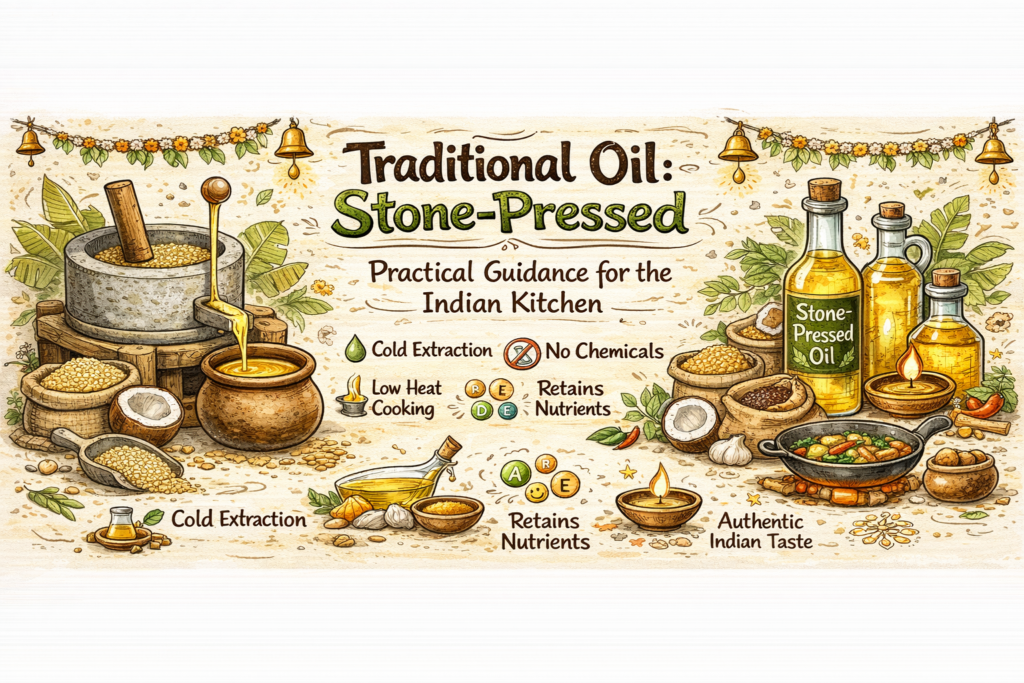
Here is a practical guide to helping you make the switch effortlessly.
1. Understanding the “smell”
Many people hesitate to switch because they think traditional oils smell “too strong.”
- Tip: It is an acquired taste, but one that your body recognises. Once you start eating sabzi made in pure mustard or groundnut oil, the food made in refined oil will start tasting “empty” to you.
- Cooking Hack: If you find the smell of mustard oil too strong, heat it to the smoking point once, then let it cool slightly before adding your spices. This mellows the pungency. For groundnut oil, the nutty aroma actually enhances the taste of dals and curries.
2. The “smoking point” myth
A common marketing tactic for refined oils is to claim they have a “higher smoking point” and are thus better for deep frying. While it is true that refining raises the smoking point by removing impurities, traditional oils are perfectly safe for Indian cooking temperatures.
- Ghee: The highest smoking point. Perfect for high-heat frying.
- Stone-Pressed Mustard/Groundnut: excellent for stir-frying (tadka), sautéing, and deep frying bhajiyas or puris. These oils have been used for frying in India for centuries without issues.
- Stone-Pressed Coconut: Great for tempering and medium heat cooking.
- Olive Oil: Keep this for salads or low heat; it is not suited for Indian high-heat cooking.
3. Storage is key
Refined oils last forever because they are “dead.” Traditional oils are “alive” and can go rancid if not stored well.
- Keep it Dark: Store your OwnFresh oils in a cool, dark place away from direct sunlight.
- Buy Fresh: Don’t buy oil in bulk for the whole year. Buy what you need for a month or two. This ensures you are always consuming fresh antioxidants.
- Metal/Glass over Plastic: Whenever possible, transfer your oil to steel or glass containers in the kitchen.
4. The cost equation
“But stone-pressed oil is more expensive.” Yes, it is. It takes roughly 2.5 to 3 kg of high-quality peanuts to make just 1 litre of pure groundnut oil. Refined oil is cheaper because it is mass-produced using chemical solvents and often blended with cheap palm oil.
Think of it this way: You use oil in almost every meal. It enters every cell of your body. Is it worth saving ₹50 or ₹100 a month if it costs you your heart health in the long run? Also, because traditional oils are richer and more viscous, you will find yourself using less oil per dish. A little goes a long way.
Part 6: A return to purity
The story of refined oil is the story of modern convenience overtaking wisdom. We traded nutrition for shelf life. We traded flavour for transparency.
But the tide is turning. More and more Indian families are waking up to the “ugly truth” of processing and are returning to their roots. They are remembering the taste of their grandmother’s pickles made in pure mustard oil. They are remembering the aroma of hot puris fried in pure groundnut oil.
At OwnFresh, we are not just selling oil; we are trying to bring back that lost heritage. We believe that your kitchen deserves ingredients that are honest. When you pour our oil, you should know exactly what is in it, just the seed, the pressure of the stone, and nature’s goodness.
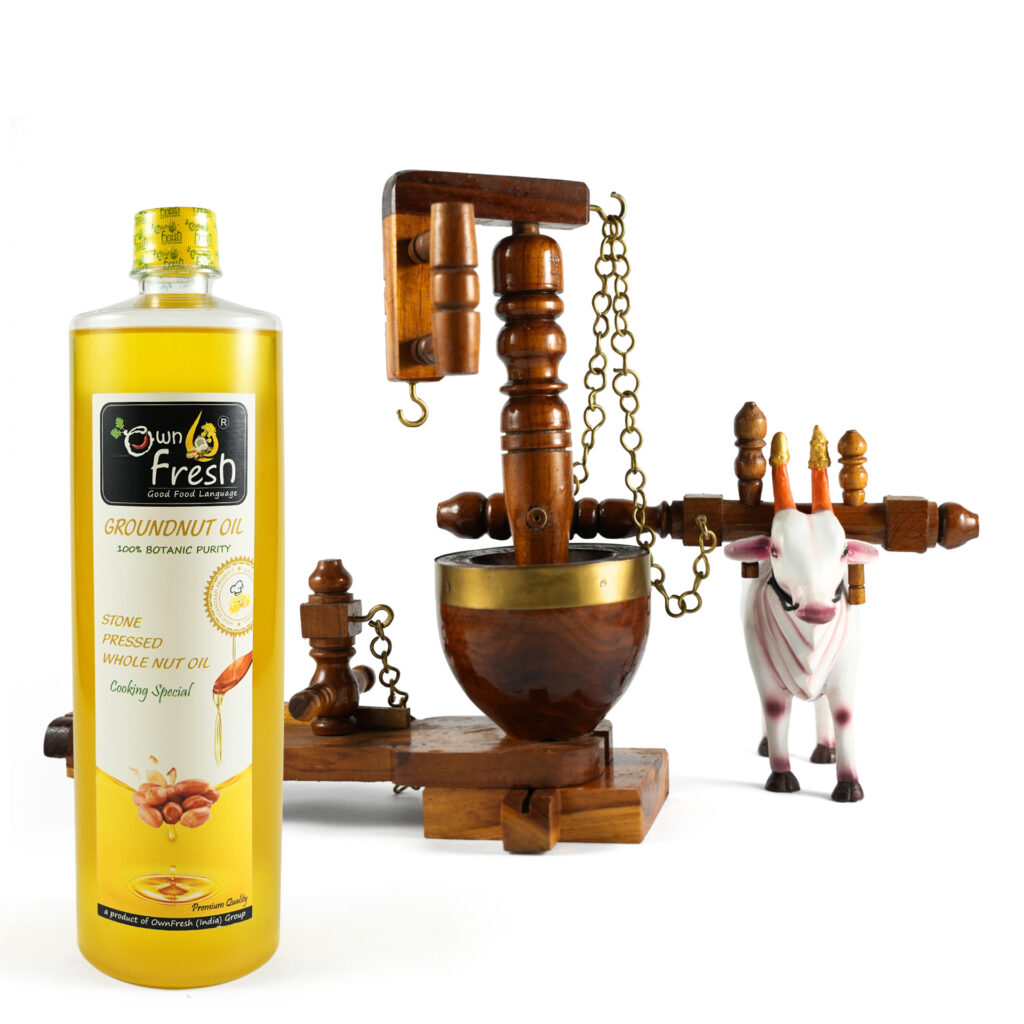
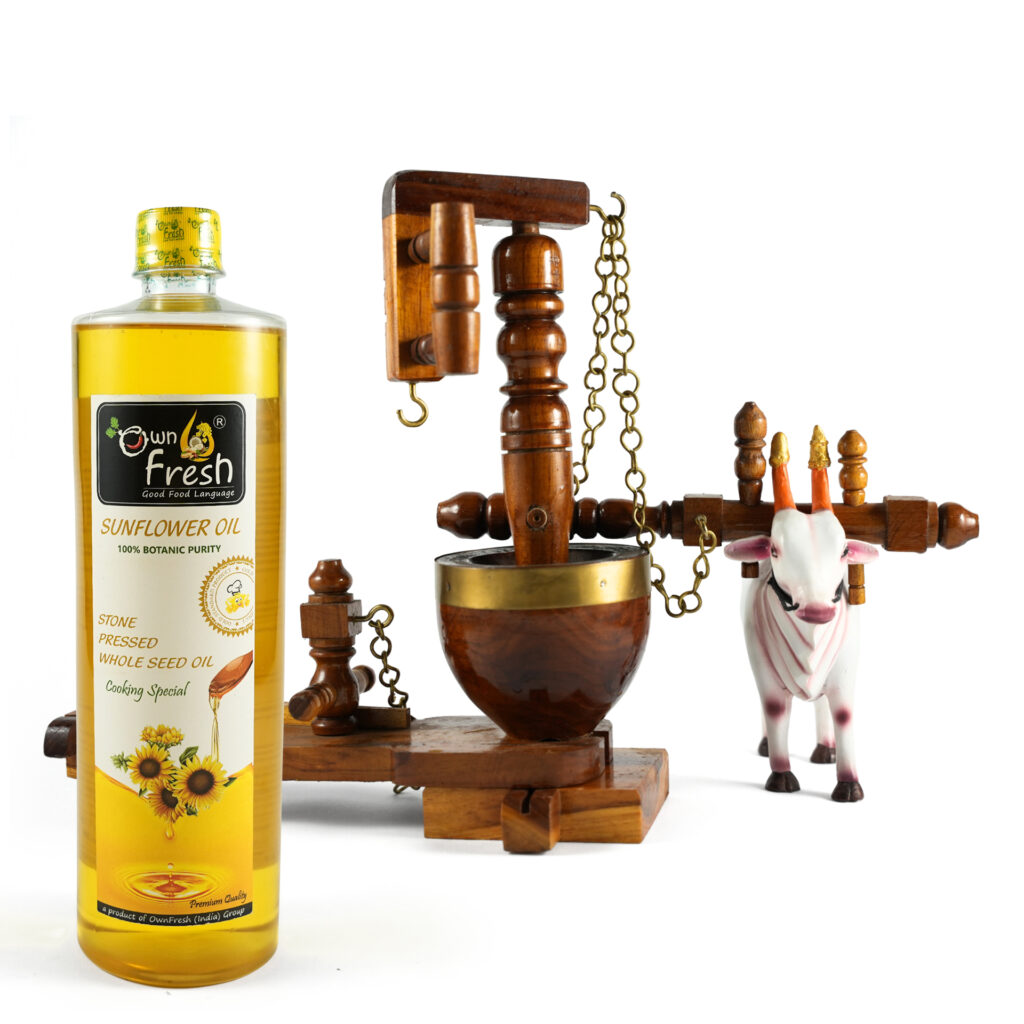
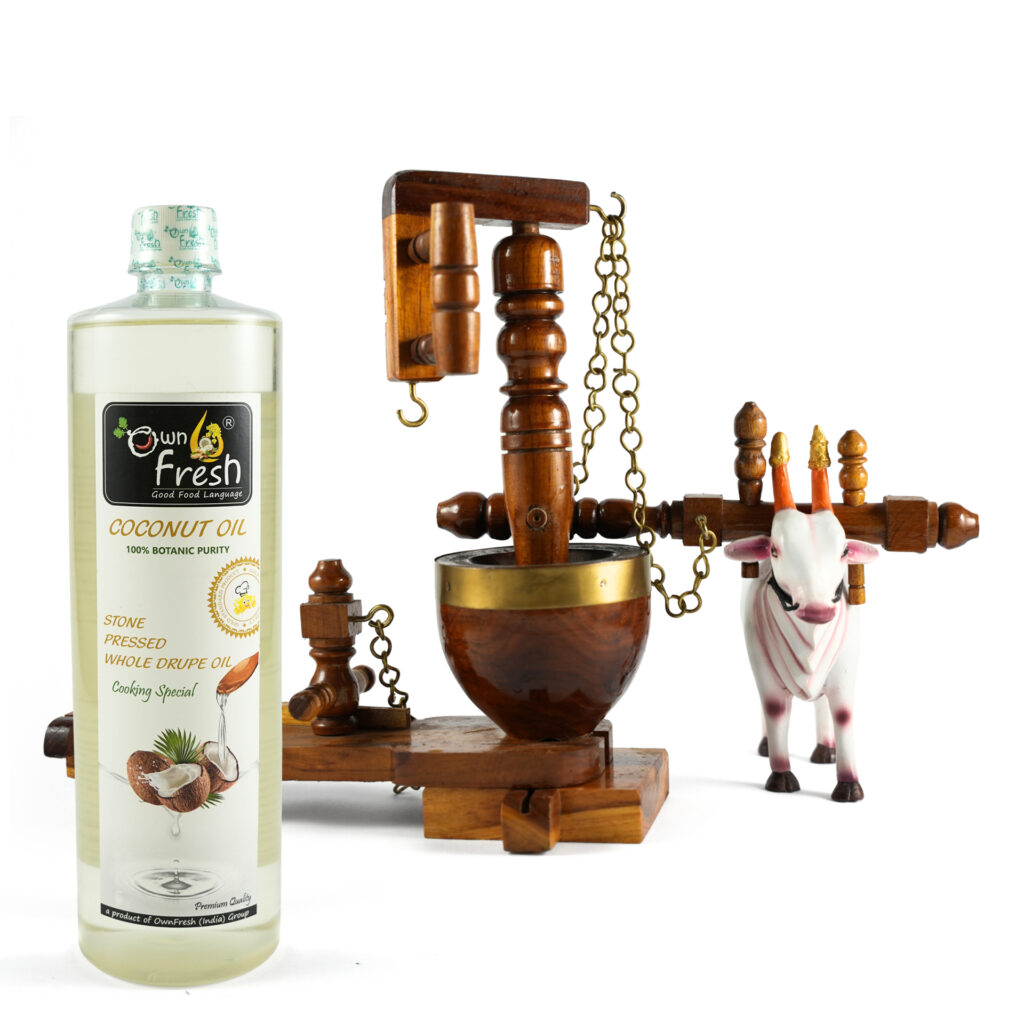
The choice is in your hands. You can choose the colourless, odourless, chemically processed packet, or you can choose the golden, aromatic, nutrient-dense elixir that nourished generations before us.
Let’s make our kitchens safe again. Let’s make our hearts strong again. Let’s choose purity.
Live Fresh. Choose OwnFresh.
Frequently Asked Questions (FAQs)
1. Are all refined oils bad for health? While “bad” is a strong word, refined oils are chemically processed, bleached, and heated to high temperatures. This strips them of natural nutrients and can create harmful trans fats. Regular consumption is linked to inflammation and heart issues, so minimising them is recommended.
2. How does the refining process impact nutrients in the oil? The refining process uses high heat (deodorisation) and chemicals (solvents, bleach). This destroys heat-sensitive vitamins like Vitamin E and removes natural antioxidants and lecithin. Traditional stone-pressed oils retain these vital nutrients.
3. Can I use stone-pressed oils for deep frying? Yes, absolutely. In India, we have traditionally used Groundnut, Mustard, and Coconut oils for deep frying for centuries. While their smoking point is slightly lower than chemically refined oils, they are stable and safe for normal home cooking and frying temperatures.
4. Why is stone-pressed oil more expensive than refined oil? Quality dictates price. It takes a large quantity of high-quality seeds to produce a litre of stone-pressed oil (e.g., 2.5kg peanuts for 1 litre oil). Refined oils often use cheaper low-quality seeds, chemical extraction to get more volume, and fillers like palm oil, making them cheaper to produce.
5. How can I identify genuine Stone-Pressed oil? Look for the aroma and texture. Genuine stone-pressed oil will smell like the seed it came from (peanuts, sesame, mustard). It will also be slightly thicker (more viscous) than water-like refined oils. It may also have a deep, natural colour rather than being transparent.
6. What is the best oil for daily Indian cooking? It depends on your region! For North and East India, Mustard Oil is excellent. For West and Central India, Groundnut Oil is traditional. For South India, Coconut or Sesame (Gingelly) Oil is best. Rotating these oils is a great way to get a balance of nutrients.
7. Does refined oil contain trans fats? Yes, it can. The process of deodorisation involves heating the oil to very high temperatures (over 200°C), which can cause some of the unsaturated fats to twist into Trans Fats. Trans fats are harmful to heart health.
8. Is Olive Oil better than traditional Indian oils? Olive oil is healthy, but it is best suited for salads, dressings, and low-heat cooking. For Indian cooking which involves high heat (tadka, frying), traditional Indian oils like Ghee, Groundnut, or Mustard are actually more stable and suitable than Extra Virgin Olive Oil.